
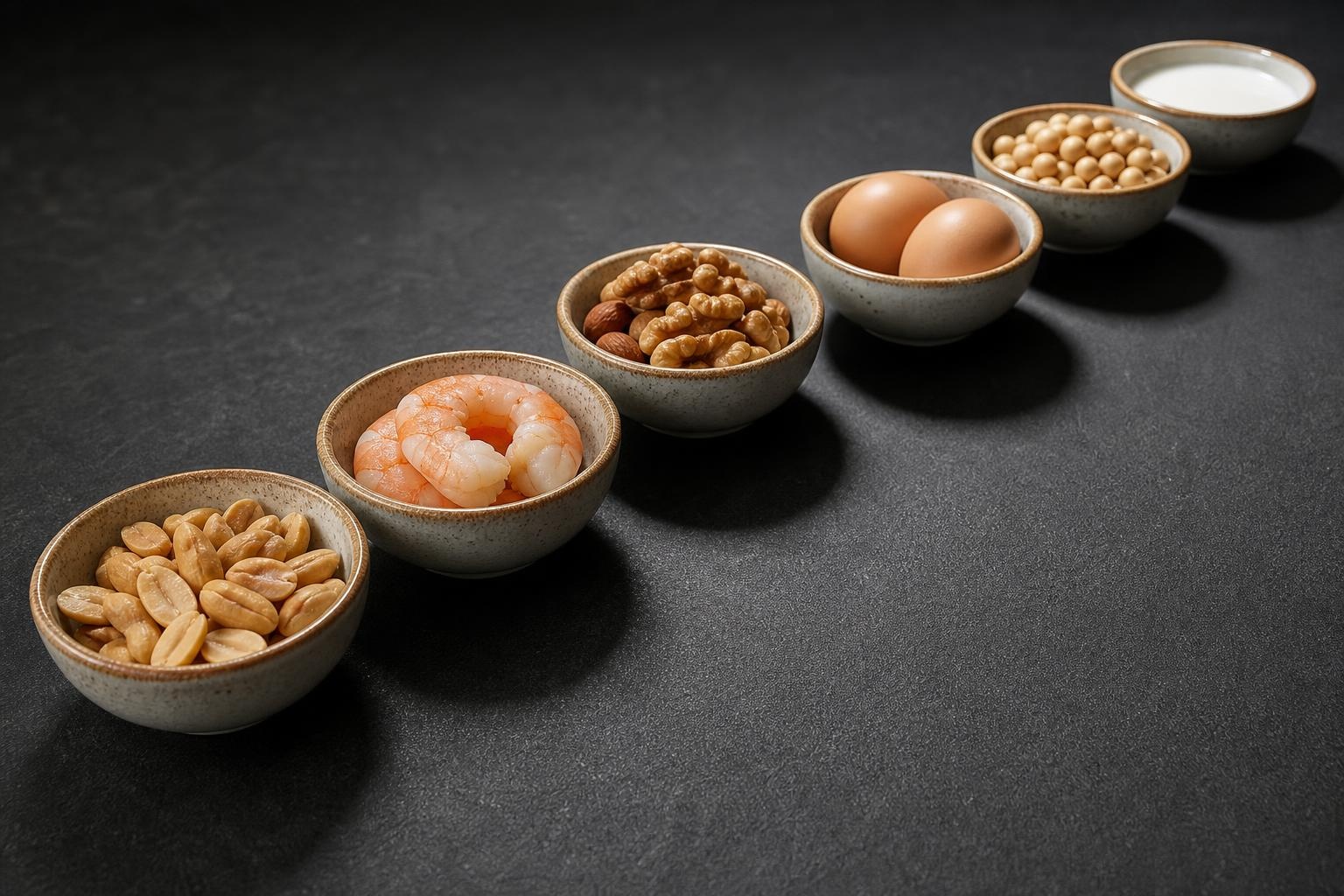
A rooftop dinner can be a memorable part of a trip, but the view should never distract from the most important booking question: can the kitchen manage your food allergy safely?
The answer cannot be read from a skyline photograph or a short menu description. Rooftop venues may use fixed menus, shared plates, compact service stations, busy bar kitchens or buffet formats. None of those details automatically makes a venue safe or unsafe, but they change the questions worth asking before you reserve.
This guide is for practical planning, not medical advice. Follow the allergy plan provided by your clinician, carry prescribed emergency medication and choose another venue whenever the answers are unclear.
State the allergy clearly before discussing preferences
Begin with the exact food that must be avoided and describe it as an allergy, not as a dislike or general dietary preference. “I have a severe peanut allergy” gives the reservation team a clearer task than “no nuts, please.” If several ingredients are involved, send them in writing so the kitchen does not have to reconstruct the request from a phone call.
Food Standards Australia New Zealand advises diners to disclose a food allergy, ask specifically about allergen content and call ahead when an allergy is difficult to manage away from home. That advance conversation matters because the person answering a booking message may need time to consult a chef or manager.
Do not assume that “vegan,” “gluten-free” or “dairy-free” answers every allergy question. Those labels describe a dish or dietary pattern; they do not necessarily explain shared equipment, substitutions, garnishes or cross-contact controls.
Ask about the whole preparation path
An ingredient may be absent from the recipe and still reach the dish unintentionally. The US Food and Drug Administration uses the term allergen cross-contact for the unintended introduction of an allergen into food. In a restaurant, useful questions therefore go beyond the ingredient list.
- Is the allergen used elsewhere in the kitchen or bar?
- Are fryers, grills, pans, knives, blenders or preparation surfaces shared?
- Can sauces, stocks, spice blends, dressings and garnishes be checked?
- Will a substitution be prepared separately or simply removed at the end?
- Who will confirm the final dish with the kitchen and at the table?
Hong Kong’s Centre for Food Safety notes that allergens may appear in less obvious ingredients, including sauces, and that cross-contamination can occur when utensils or hands are not thoroughly washed. A confident answer should therefore explain a process, not merely repeat that the menu item “doesn’t contain” the allergen.
Match the dining format to the level of control you need
À la carte service
À la carte ordering may make one dish easier to trace, especially when the kitchen can prepare a simple item with limited components. Ask whether the venue can flag the order from reservation to service and whether the person taking the order will repeat the allergy back to you.
Tasting menus and shared plates
A tasting menu can involve many sauces, garnishes and preparation stations. Shared plates add another point of contact at the table. Neither format is automatically unsuitable, but both require a clear explanation of what can be adapted and whether the adapted courses are kept identifiable.
For a group meal, Rooftop Asia’s guide to planning a rooftop business dinner recommends treating dietary needs as part of venue selection rather than a last-minute note. The same principle works for celebrations and informal dinners: choose a format that the whole table can manage comfortably.
Buffets and brunches
Buffets deserve particular care because serving utensils can move between dishes and other guests may create cross-contact. FSANZ specifically identifies buffet meals as a higher-risk situation for inadvertent cross-contamination. If the venue cannot explain how an allergy request is handled, ask whether a separate kitchen-prepared plate is possible.
A daytime plan also brings timing, shade and service pace into the decision. The guide to rooftop brunch in Asia can help with those practical choices, but allergy controls should be confirmed independently with the venue.
Use one clear booking message
A concise written message is easier to forward to the kitchen than a long story. Include the date, booking name, allergen, severity as you have been advised to communicate it, and the questions that determine whether you can dine safely.
I am booking for four guests on 30 September. One guest has a severe allergy to [allergen]. Can the kitchen check all ingredients and manage cross-contact from shared fryers, grills, utensils and preparation surfaces? Please confirm whether a suitable dish can be prepared and how it will be identified at the table.
Add other needs only when they change the decision: a translated allergy card, a separate plate, step-free access, refrigeration for medication or a seat that allows a quick exit. Rooftop access can involve lifts, stairs and several hand-offs between a hotel lobby and the venue. The rooftop accessibility booking checklist offers a practical way to verify that route in advance.
Repeat the check when you arrive
A message sent days earlier is useful, but it is not the final control. Tell the host and server about the allergy again, ask who is coordinating with the kitchen and confirm the selected dish before ordering. When it arrives, verify that it is the adapted plate rather than relying on appearance.
Avoid swapping food, cutlery or drinks around the table. If the dish comes with an unexpected sauce, garnish or side, pause and ask. Do not remove a visible ingredient and assume the remaining food is safe.
Menus, recipes and staff can change. Even if a venue handled the same allergy well on a previous visit, repeat the conversation for the current booking.
Know when an uncertain answer means no
“It should be fine,” “the chef will probably know” or “you can pick it out” are not useful confirmations. Neither is a promise based only on a menu icon when no one can explain the preparation process.
If the team cannot check ingredients, cannot discuss cross-contact or seems to treat the allergy as a preference, choose another venue. A simpler restaurant with a responsive kitchen is a better decision than a dramatic rooftop where the safety conversation never becomes specific.
If symptoms occur, stop eating and follow your personal emergency plan. Seek urgent medical help when required. Do not let the logistics of leaving a high floor delay action.
A six-point rooftop allergy check
- Disclose: name the exact allergy when booking.
- Verify: ask about ingredients, sauces, garnishes and substitutions.
- Trace: discuss shared equipment and preparation surfaces.
- Choose: prefer a dining format the kitchen can manage clearly.
- Repeat: confirm the allergy with the host, server and final dish.
- Leave: walk away when the answer remains vague.
The best rooftop dining plan is not the one with the most complicated menu or the closest table to the view. It is the one where the venue understands the request, explains what it can and cannot do, and gives you enough confidence to focus on the evening rather than the uncertainty.