
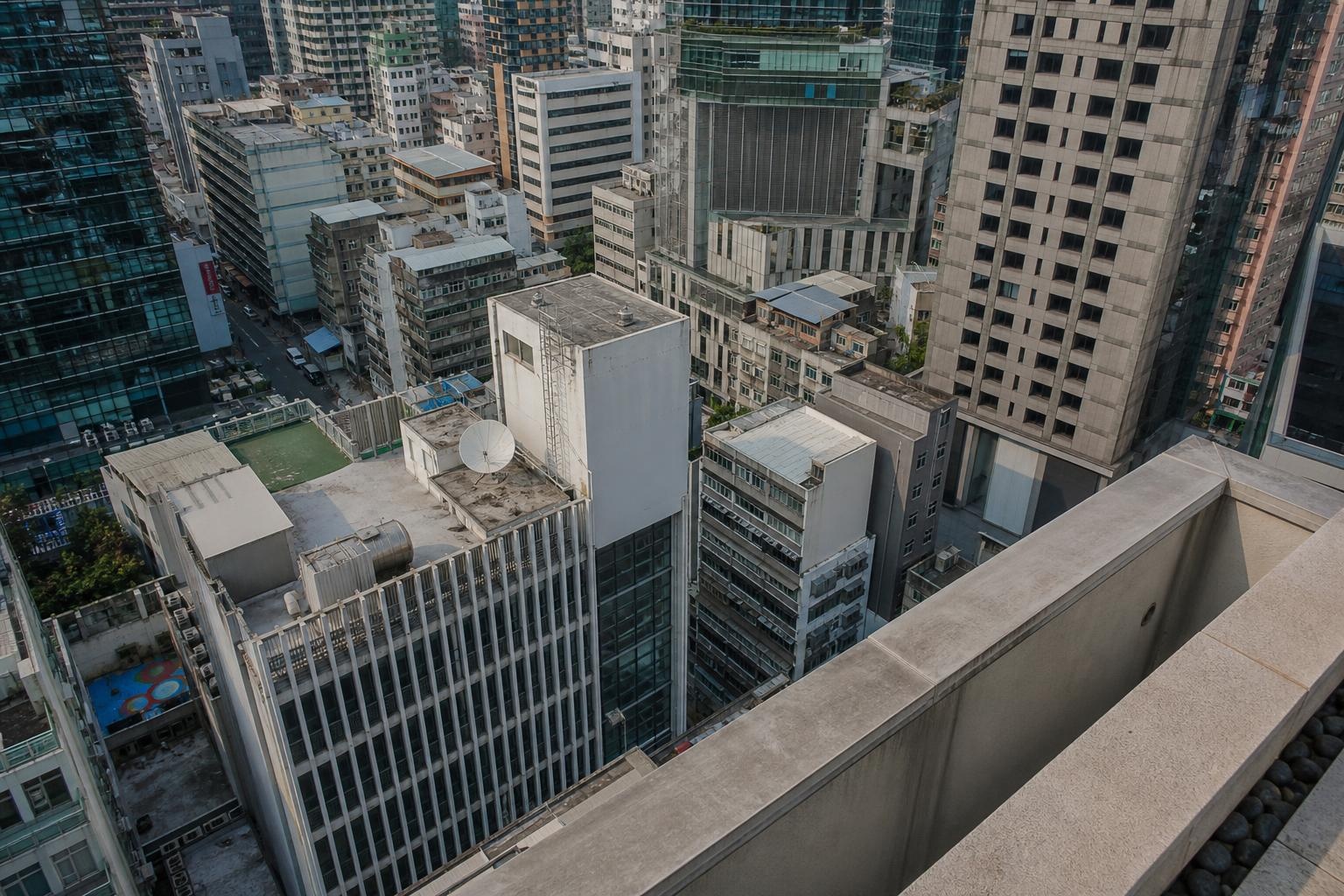
A rooftop bar can feel like an escape from the city below, but it is still a shared space. The best evenings work because guests, staff and photographers can all use that space without competing for every table edge, skyline angle or quiet minute.
Rooftop bar etiquette is less about memorising formal rules than reading the room well. A busy sunset terrace, a seated dinner and a late-night lounge call for different behaviour. Across Asia, venue policies also vary widely, so considerate habits should sit alongside one simple principle: check the current rules of the place you are visiting.
Start with the booking, not with assumptions
A reservation may secure a table, admission, a dining slot or only a place in a particular section. It does not automatically promise the most open view, an outdoor seat or unlimited time. Before the evening, read the confirmation and check what the booking actually includes.
- Confirm whether the reservation is for dining, drinks or general entry.
- Ask whether seating is indoors, outdoors or assigned on arrival.
- Check current dress expectations, age rules and identification requirements.
- Read cancellation, deposit and minimum-spend terms before accepting them.
- Tell the venue about mobility or dietary needs early, not at the table.
If a particular view matters, phrase it as a preference rather than a demand. Weather, private events and table turnover can change the available layout. A clear request gives the team useful information; treating that request as a guarantee creates friction before the evening has begun.
Share the skyline without claiming it
The most photogenic edge of a rooftop is rarely private. It may be a circulation route, a safety boundary or simply the view that everyone came to see. Take the photograph, then make space. A short turn at a popular viewpoint is usually enough, especially around sunset when the light changes quickly and many guests want the same frame.
Avoid moving chairs, leaning equipment against barriers or blocking a service path to improve a composition. Keep tripods and larger gear at home unless the venue has confirmed that they are welcome. Rooftop Asia’s guide to rooftop photography in Asian cities offers a light-led approach that works with the evening instead of turning the venue into a photo set.
When other guests appear in the frame, change your angle or wait. The city can be photographed without making strangers the subject. Flash is another cue to use sparingly: it can distract nearby tables, flatten the atmosphere and draw more attention than the picture deserves.
Let the table match the kind of visit
A drinks table and a dinner table are not interchangeable. If you have booked a full meal, settling in for several courses is part of the format. If the venue is operating a busy walk-in bar, keeping a large table after one quick drink may prevent another group from using the space as intended.
This is not a call to rush. It is a reason to notice the pace around you. Order with reasonable clarity, keep bags within your own footprint and avoid spreading phones, cameras and shopping across extra seats. When staff explain a time limit or a section policy, treat it as part of the booking rather than a surprise negotiation.
Solo visitors can make this especially easy by choosing a bar seat, compact table or early arrival when available. The practical planning in Going to a Rooftop Bar Alone in Asia also helps with seating, timing and a simple exit plan.
Dress for the policy and the conditions
“Rooftop” does not describe one level of formality. Some spaces are relaxed open-air bars; others are connected to restaurants, hotels or nightlife venues with their own standards. The current first-party booking page or confirmation message is more useful than a generic packing list.
When the wording is broad, aim for neat, comfortable clothing that suits the occasion and the weather. Footwear should work for lifts, stairs and potentially wet flooring. A light layer can be useful in elevated wind or strongly air-conditioned indoor sections, while a compact rain option is more practical than assuming outdoor seating will remain open.
Do not argue from what another venue allowed. Policies can differ within the same building and can change for events. If an item of clothing is important to you, ask before travelling across the city.
Weather changes the plan, not the courtesy
Wind, rain, heat and haze can alter a rooftop quickly. Staff may close an edge, move guests indoors or delay service while they secure equipment. These changes are usually operational decisions, not personal disappointments directed at one table.
A flexible plan makes the response simpler. Keep loose belongings contained, follow instructions promptly and avoid crowding sheltered transition areas. If the open-air setting is the main reason for the visit, ask about the venue’s weather arrangements before booking and decide whether an indoor alternative would still feel worthwhile.
For a closer look at the physical cues behind those decisions, Rooftop Asia’s article on rain-ready rooftop design in tropical Asia explains how shelter, drainage, transitions and flexible layouts shape guest comfort.
Keep sound, screens and calls in proportion
Rooftops already combine music, traffic, wind and conversation. Adding a speaker, playing videos aloud or taking a long call at the table forces nearby guests into your private soundtrack. Use headphones for media and step away from dining areas for calls when the layout allows.
Screen brightness also matters after dark. Lowering it helps preserve the atmosphere and makes it easier for your eyes to adjust between the table and the view. A phone placed face down during conversation is a small signal that the evening matters more than documenting every minute.
Celebrations deserve the same awareness. A birthday toast can be joyful without taking over the entire terrace. Decorations, cakes, photographers and group arrangements should be cleared with the venue beforehand rather than improvised after arrival.
Order and leave with clarity
Menus, service charges, taxes and payment methods vary, so read what is presented rather than relying on habits from another city. Ask a concise question if a charge or inclusion is unclear. Where tipping is optional or unfamiliar, follow the venue’s current guidance instead of assuming one universal rule for Asia.
Before leaving, check the table, chair and floor for personal items. Rooftop evenings often involve dim light, seat changes and quick moves indoors, which make small belongings easy to miss. Settle the bill with enough time to arrange a lift or car, especially when the venue closes later than the surrounding transport options.
A simple etiquette check before you go
| Moment | Useful question | Considerate action |
|---|---|---|
| Before booking | What does the reservation include? | Confirm seating, policies and changing conditions. |
| On arrival | How is this section being used tonight? | Follow the live layout and staff direction. |
| At the view | Is someone waiting for the same space? | Take the shot, then step aside. |
| At the table | Does our pace fit the format? | Keep belongings compact and communicate clearly. |
| When weather shifts | What is the safe alternative? | Move promptly and keep transition areas clear. |
| Before leaving | Is the bill and journey home settled? | Check belongings and arrange transport calmly. |
Good rooftop bar etiquette is ultimately generous. It leaves room for other guests to see the skyline, for staff to do their work and for your own group to enjoy the evening without unnecessary negotiations. Check the venue’s live rules, adapt to the format in front of you and share the height as thoughtfully as the table.