
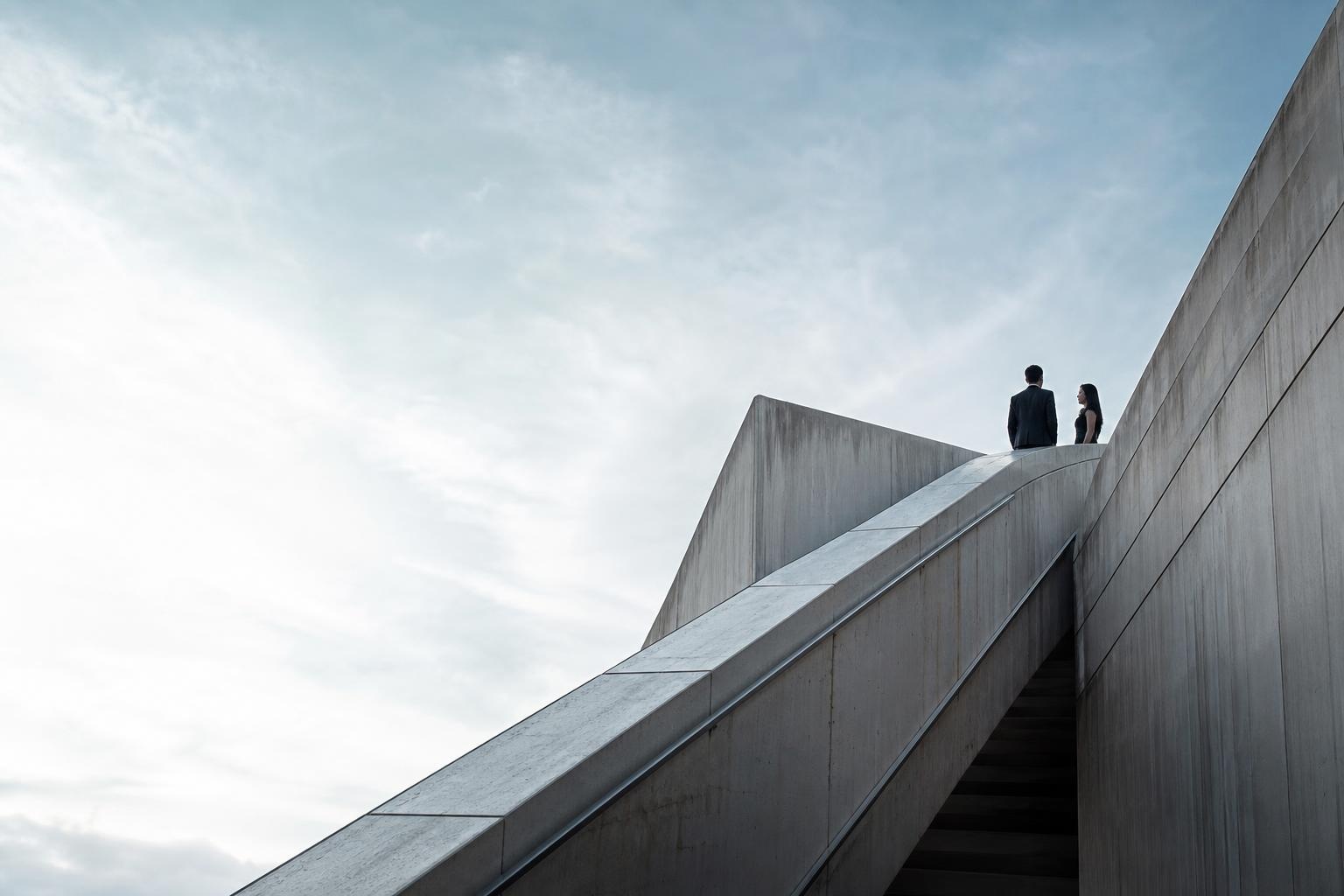
A rooftop proposal can look effortless from the outside: a view, a quiet pause and one important question. In practice, the most memorable version is rarely the one with the most decoration. It is the one that protects the couple from avoidable uncertainty while leaving enough space for the moment to feel real.
Planning a rooftop proposal in Asia means balancing privacy, weather, changing light, venue rules and the rhythm of the evening. The aim is not to control every detail. It is to decide what matters, confirm the parts that can fail and build a backup that still feels intentional.
Begin with the person, not the rooftop
A proposal may be a surprise; the idea of marriage should not be. Before choosing a venue or a view, think about what your partner actually enjoys. Some people love a visible celebration. Others would rather have a private conversation with the city in the background and no audience at all.
Use preferences you already know rather than inventing a cinematic version of the relationship. Consider how your partner reacts to attention, whether formal dressing feels natural, how comfortable they are with photographs and whether they would enjoy a long restaurant-led evening or a short drink followed by somewhere quieter.
This first decision narrows everything else. A private person may prefer an early arrival, a recessed outdoor corner or a connected indoor space. Someone who enjoys a social occasion may be happy with a busier sunset setting, provided the proposal itself is not blocking a walkway or turning nearby tables into an audience.
Work backward from one clear moment
Choose the moment before filling the evening around it. You might want to ask soon after arrival, once both of you have settled, after dinner or during the transition from daylight to city lights. Each choice creates a different practical plan.
Asking early removes the pressure of carrying the ring through a whole meal. It also lets dinner become the celebration afterward. The trade-off is that delays at the entrance or a table change can disrupt a tightly timed setup.
Asking after dinner gives the evening a natural build, but it requires patience and a secure way to keep the ring. A long meal can also leave you watching the clock instead of listening to the conversation.
Using sunset or blue hour creates changing light without requiring extra decoration. Treat it as a window, not a promise. Cloud, haze, rain and seasonal timing can change the sky. A strong plan still works when the colour is quieter than expected.
Once the moment is chosen, make the rest of the evening simple: arrival, a settling-in period, the proposal, time to talk and one unhurried next step. Too many transfers, hidden suppliers or precision cues make the experience more fragile.
Balance the view against privacy
The widest view is not automatically the best proposal position. Edge tables and photo points often attract other guests, staff movement and phones. A slightly less exposed place can offer better sound, more comfortable eye contact and less pressure.
When contacting the venue, describe the experience rather than demanding a specific table. Ask whether there is a quieter position with a good outlook, whether that section can be requested but not guaranteed, and what happens if the outdoor area closes. This gives the team useful context without treating a preference as a promise.
Think about the approach as well. A beautiful corner is less useful if reaching it means weaving between tables, waiting beside a service door or leading your partner through an obvious setup. The best location feels like a natural part of the evening.
Make the weather backup equally good
Elevated spaces can be breezier and more exposed than the street. Rain can close an edge even when the rest of the venue remains open. Heat, humidity and strong air conditioning can also affect comfort. Check the hourly forecast close to the booking, not only several days ahead.
Rooftop Asia’s guide to rooftop wind in Asia explains why average wind, gusts and local warnings should be considered separately. For a proposal, the practical consequence is straightforward: do not build the entire moment around one exposed spot that has no acceptable alternative.
A good fallback should preserve the emotional shape of the plan. That might be a quiet indoor table beside glass, a covered upper-level area or a nearby second location that you would genuinely choose on its own merits. Avoid presenting the backup as the disappointing version. If it is thoughtful enough, changing location becomes a calm decision rather than a rescue operation.
Confirm who makes the weather call and when. Staff may close an outdoor section before conditions feel severe. Their instructions take priority over the planned view, and a proposal never needs to happen beside an unsafe edge or in the middle of a rushed relocation.
Coordinate only what the venue can reliably deliver
A concise conversation with the venue is more useful than a long secret script. Ask about current reservation terms, outdoor access, photography rules and any restrictions on decorations or outside suppliers. If you want a cake, flowers or a particular drink afterward, confirm what the venue can provide and how it will be served.
Useful questions include:
- Can the booking note mention a proposal without guaranteeing a particular table?
- Is there a quieter outdoor or indoor position that may be requested?
- What is the plan if wind or rain closes the chosen area?
- Are professional photographers, tripods or extra lighting permitted?
- Can staff hold an item securely, or should the ring remain with you?
- Are cakes, flowers or small decorations allowed, and who removes them?
- Is there a deposit, minimum spend or cancellation condition?
Keep the ring under your own control unless the venue offers a clear, agreed handover process. Hiding it in food or drink creates unnecessary risk and asks the service team to manage an item with exceptional personal value. A secure pocket or compact case is simpler.
The general principles in Rooftop Asia’s rooftop bar etiquette guide also apply: do not block circulation, move furniture without permission or let a private celebration take over a shared space.
Plan photography with an exit from the camera
A photograph can preserve the moment, but the proposal should not become a shoot. Decide whether your partner would appreciate a hidden photographer, a friend at a distance or no planned camera at all. If there is any doubt, one discreet photograph afterward is often kinder than recording a vulnerable conversation without clear consent.
If a photographer is involved, obtain venue permission and agree on one position, one signal and a short working period. Avoid flash, portable lighting and equipment in service routes unless explicitly approved. The photographer should be able to stop immediately if staff, weather or another guest changes the space.
For the city view itself, use the practical sequence in the guide to rooftop photography in Asian cities: a small number of deliberate frames is more useful than documenting every minute. After the question has been answered, take a few photographs and put the phone away.
Give the answer somewhere to land
The few minutes after a proposal matter as much as the setup. Do not move immediately into calls, a photo list or the next reservation. Leave time to talk, laugh, breathe and decide together what happens next.
A simple celebration can be one ordered drink, dessert, dinner or a quiet walk after leaving the rooftop. If family or friends are waiting, make sure your partner would enjoy that second surprise. Otherwise, arrange calls later and keep the first part of the evening private.
Transport deserves the same care. Confirm how you will leave, especially if the rooftop closes later than nearby public transport or if weather is unsettled. The evening should end with a clear route home, not a long search for a car while carrying valuables and managing messages.
A 24-hour rooftop proposal check
- Reconfirm the reservation, arrival name, dress expectations and any deposit.
- Check the latest hourly weather, gusts and local warnings.
- Ask whether the planned outdoor area is expected to open.
- Confirm the indoor or covered fallback and accept that it may be used.
- Place the ring in one secure, comfortable location.
- Charge phones and camera equipment, but keep the photo plan brief.
- Remove extra cues that make the surprise obvious or difficult to manage.
- Confirm payment and transport so the evening can finish calmly.
- Let one trusted contact know the outline only if practical help is needed.
The best rooftop proposal is not the most elaborate one. It is the plan that reflects the person being asked, survives a change in weather and leaves the couple present for what follows. Choose privacy deliberately, coordinate the essentials, give the backup equal respect and then stop managing the evening long enough to experience it.